

Elders and orcas
A plea for intergenerational connection


Dear friends,
Thank you for being here and for engaging with my queer ecology writing! If you’re new to my work, you can read more on my website or newsletter. Or read a summary of all my projects. If you’re enjoying these essays, please consider supporting me on Patreon or fuel my writing with some coffee ☕️.
love, Kes
I recently spent a morning in Belgium, with a room full of energised student climate activists, most of whom were young enough to be my biological children. Maybe it was my older presence, unusual enough in some activist cultures of northern Europe, and maybe it was the sensitive way in which we approached the conversation, but right from the start, intergenerationality was on the table. It gave me an enormous sense of relief.
Some participants said they had grown up with several generations in close proximity which had made them starkly aware of the age homogeneity of activist scenes. Some said that they longed for more connection between generations but had no idea how to find it. Some wanted to bridge the imposing gaps of opinions between younger and older and others questioned if those divisions even exist or if we have more in common than we all realise. The whole conversation struck me as both beautiful and unusual.
I’ve been in spaces very different to this one. I’ve heard younger queer and trans people say, in all seriousness, that they have nothing to learn from anyone older than them. And the reverse as well. It surprises and saddens me how often we reject others based on our prejudices about age.
Whether with respect or dismissal, for a decade at least I’ve felt like an elder in many queer, trans, activist spaces and I find it hard to accept. In other contexts I’ve lived in (other organising cultures and some places outside of northern Europe), people of my generation are considered young.
Although I’ve been politically engaged for twenty or thirty years, depending how we measure it, I am actually just getting started.
For me, age cannot be a binary of young and old - we all have wisdom and experience to transmit, regardless of age. I don’t mind sharing what I’ve gathered along the way, but I’m painfully aware that I have more still to learn than I have years left. I make mistakes all the time and no-one prepared me to be in this role.
Many of the generation that should have been my queer elders were killed by AIDS (and the state, directly or indirectly). I’ve had elders in my life, I still do, but I’ve always felt disconnected in time, as if, above me, a rung was missing from the ladder. I’ve longed for someone to tell me when I’m ready for the next thing. To hold me back when I’m moving too fast. To help me make decisions and make sense of my life. I can have access to all the information in the world, but that doesn’t mean I know what to do with it. I crave intergenerational connection.
Orcas and Elephants
As an ecologist, I arrive again at the question I so often ask myself: what might we learn here from non-humans?
(And here is my perennial reminder to proceed with caution. We too easily simplify non-human lives, too easily objectify them for our purposes. Inspiration is important but it should not become yet another resource to extract. When we investigate ecosystems and the behaviour of non-humans, we are first of all looking through the lens of our culturally-specific stories)
For around a century, there has been a dominant narrative in western science that says older animals, or other members of ecosystems, are less ecologically important than their younger counterparts. They stop reproducing, their health declines, and they have nothing useful left to give.
It’s no surprise that this story echoes how older people in the west are often treated. For a while, I worked sixty-hour weeks in an elderly care home full of neglect and abuse: I have seen some of the consequences of this paradigm for myself.
In the paper “Loss of Earth’s old, wise, and large animals”, published in Science in 2023, researchers described this as the ‘senescence-focused paradigm of old age’. According to ecologist Keller Kopf, the lead author on the paper, “That simplistic idea about old individuals not being important for populations, or for environments, is really not the full story.”
The study, which analysed 9,000 peer-reviewed papers, reveals many examples of the “vital contributions of older individuals to cultural transmission, population dynamics, and ecosystem processes and services.” For example:
Older female elephants carry social knowledge and are better at listening out for predators and remembering where water sources are during droughts.
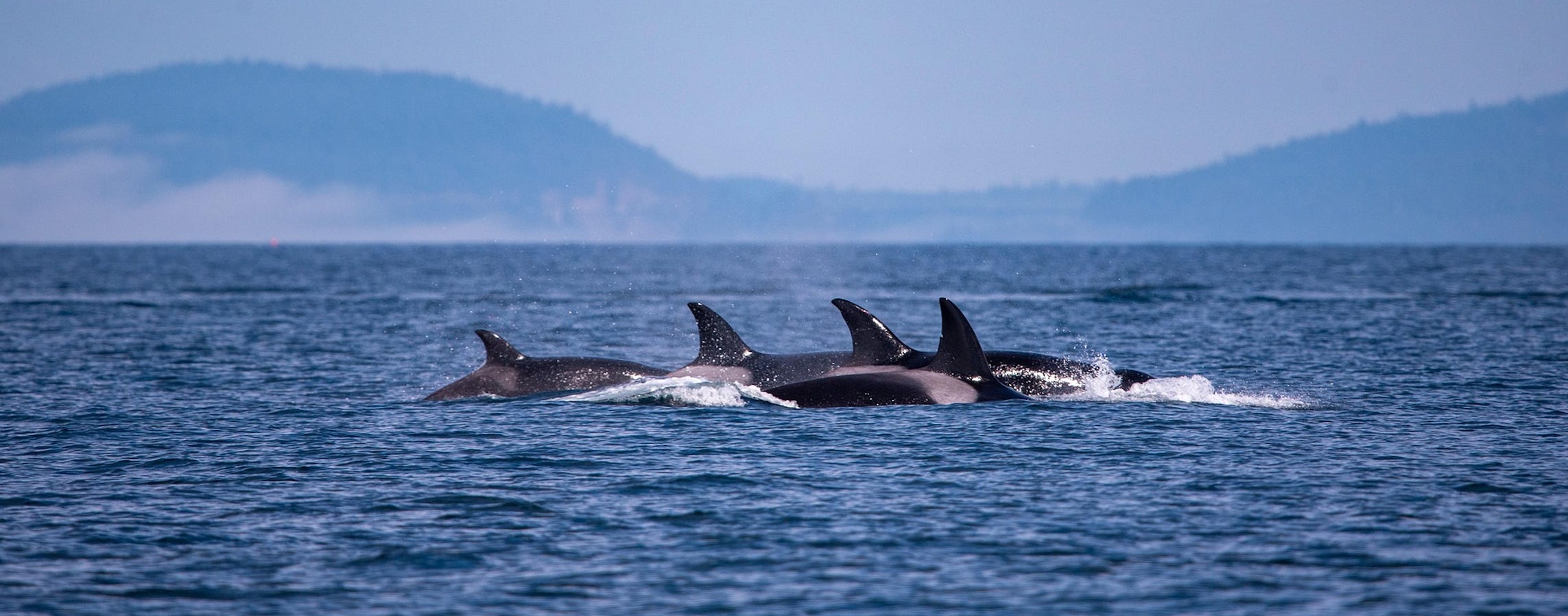
Orcas are one of very few species who go through menopause and older matriarchs remain integral to the community as repositories of ecological knowledge including the location of salmon grounds.
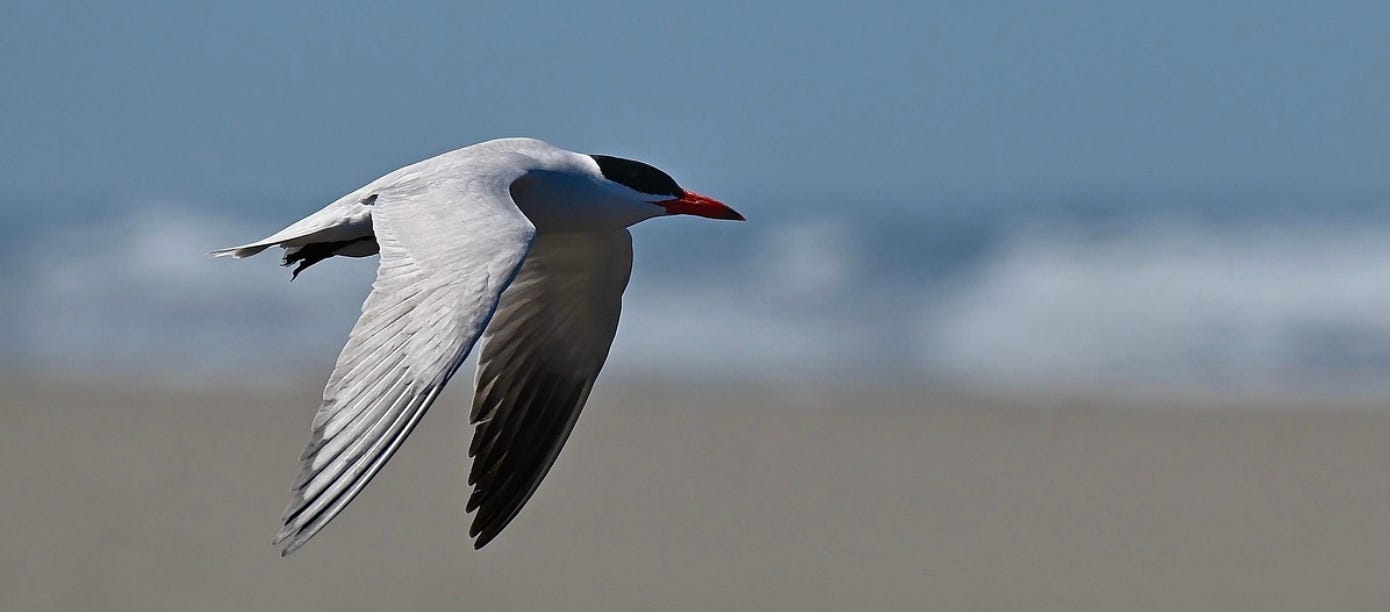
Older Caspian tern males are responsible for passing on migration routes and other knowledge to younger birds, even if they’re not related to them.
A deep breath
I have lacked guidance by elders but not completely. My heart beats with gratitude for those who have taught me to listen to the birds and my body, to care for seeds and community. To enjoy the moment and dream of new worlds.
The disconnect between generations creates so much pressure. If we feel like we are the first, only and last generation to be engaged in liberation and ending oppression, then it’s all on us. It’s incredibly isolating.
Without intergenerational communication and respect, without older members being present in meaningful ways, if we forget where we came from and how we got here, our queer and trans communities will lack an important source of stability, resilience and wisdom.
As far as I’m concerned, we have never needed those things more than we do today.
This article is an extract from a book that needs a publisher. If you have ideas how I can make this dream come true, please drop me a line!
Beautiful writing
This was well worded! And said a lot about how I've felt recently. Thank you for sharing.